Understanding Your Breast Health: Wellness Tips for Every Stage of Life

Your breast health is an important part of your overall well-being—and it evolves with you. From early adulthood through menopause and beyond, being proactive, informed, and empowered can make a lasting difference.
At Serenity Breast Health and Wellness, we believe that caring for your breasts isn’t just about detecting problems—it’s about supporting your health at every step. Whether you’re navigating changes, managing risks, or simply looking to stay on top of your health, we’re here to help guide the way.
In Your 20s and 30s: Build Healthy Habits Early
Your breast cancer risk is typically low during your 20s and 30s, but this is the ideal time to establish a strong foundation for long-term wellness.
What to Focus On:
Get to Know Your “Normal”: Learn how your breasts look and feel throughout your cycle. This helps you identify changes early.
Prioritize Lifestyle Wellness: Maintain a healthy weight, limit alcohol intake, stay physically active, and avoid smoking—all of which can reduce your future risk.
Understand Your Family History: Talk to your doctor about your family’s breast cancer history and whether you might benefit from earlier screening or genetic counseling.
Address Breast Concerns Promptly: Pain, lumps, or discharge? Don’t wait—have them checked out, even if you’re young.
In Your 40s and 50s: Screening Becomes Essential
As hormone levels shift and risk factors increase, these decades are when breast health monitoring becomes especially important.
What to Focus On:
Start Routine Mammograms: Most guidelines recommend beginning mammograms around age 40—but your doctor may advise sooner if you're high-risk.
Stay on Top of Checkups: Annual clinical breast exams help track changes and ensure any concerns are caught early.
Talk About Menopausal Changes: Hormonal shifts during perimenopause and menopause can affect breast texture, size, and tenderness. If you notice new symptoms, don’t brush them off.
Review Your Risk: This is also a good time to revisit your family history, update your risk assessment, and discuss prevention strategies with a breast specialist.
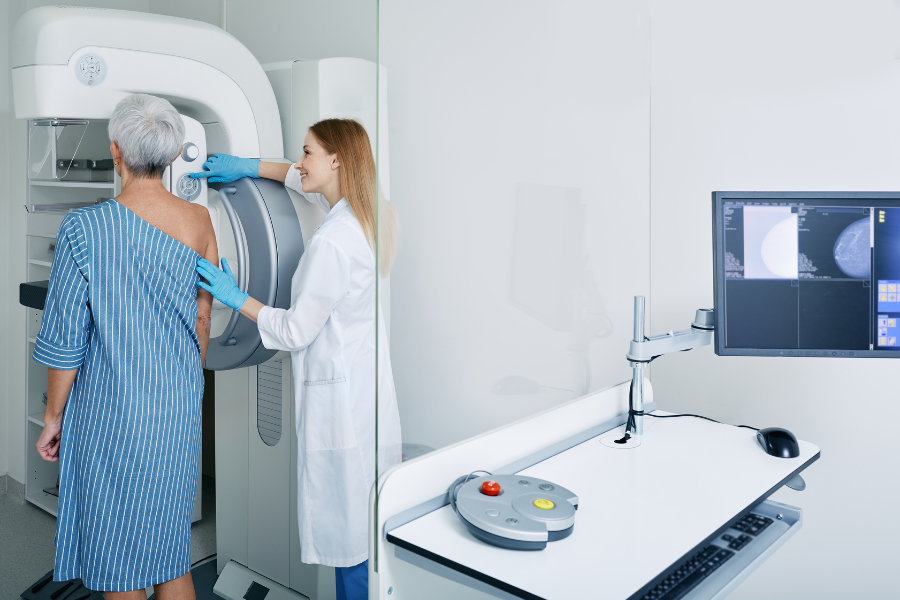
In Your 60s and Beyond: Stay Proactive with Care
While breast cancer risk continues to rise with age, early detection and individualized care make all the difference. Staying informed helps you make confident decisions at every stage. Breast cancer risk increases with age, with incidence highest in women aged 65–74 (27.4% of new cases), according to the National Cancer Institute.
What to Focus On:
Continue Regular Screenings: As long as you’re in good health, mammograms should continue beyond 65. Talk to your physician about what’s right for you.
Be Mindful of New Symptoms: Pain, nipple changes, or swelling shouldn’t be ignored—no matter your age.
Explore Prevention Options: If you're at elevated risk, your doctor may discuss lifestyle changes, medication, or surgical options to help reduce that risk.
Partner with a Breast Health Specialist: Having a trusted provider helps you navigate complex decisions with clarity and compassion.
Across All Life Stages: Listen to Your Body
Every breast is unique. What’s normal for one person may be different for another. The most important thing is to pay attention to your body—and speak up when something feels off.
If you notice:
A lump or area of thickening
Changes in breast shape or size
Persistent pain or discomfort
Nipple discharge or inversion
Skin changes (dimpling, redness, flaking)
…it’s time to see a specialist. Early evaluation can offer peace of mind or help catch a problem when it’s most treatable.

Compassionate Breast Care, Tailored to You
At Serenity Breast Health and Wellness, Dr. Jilma Patrick offers more than expert care—she offers partnership, education, and support. As a board-certified breast surgeon, she helps patients navigate:
Evaluation of lumps, pain, and breast changes
Personalized imaging and surgical options
Genetic testing and hereditary risk counseling
Benign and malignant breast conditions
Wherever you are in life, Serenity is here to meet you with evidence-based care, empathy, and a plan that puts your needs first.
Ready to Prioritize Your Breast Health?
You don’t need to wait for symptoms to take action. Whether you’re due for a checkup, have questions about your risk, or simply want guidance through a new stage of life—we’re here for you.
Request an appointment with Dr. Patrick at Serenity Breast Health and Wellness and take the next step toward lifelong confidence in your breast health.
Frequently Asked Questions
-
Most women should begin annual mammograms at age 40, but those with a family history or elevated risk may need to start earlier. Talk to your doctor to develop a personalized screening plan.
-
In your 20s and 30s, focus on knowing your normal, performing monthly self-checks, maintaining a healthy lifestyle, and discussing any family history of breast cancer with your physician.
-
Hormonal changes during menopause can cause breast tenderness, changes in texture, or shifts in breast size. It’s important to report new or persistent symptoms to your doctor.
-
Yes—screenings like mammograms remain important in your 60s and beyond, especially if you’re in good health. Breast cancer risk increases with age, making continued monitoring essential.
-
See a specialist if you notice a new lump, skin dimpling, nipple discharge, persistent pain, or any unusual change in shape or texture. Early evaluation provides peace of mind and better outcomes.